August 12, 2025
A Tribute to Tom Wolfe
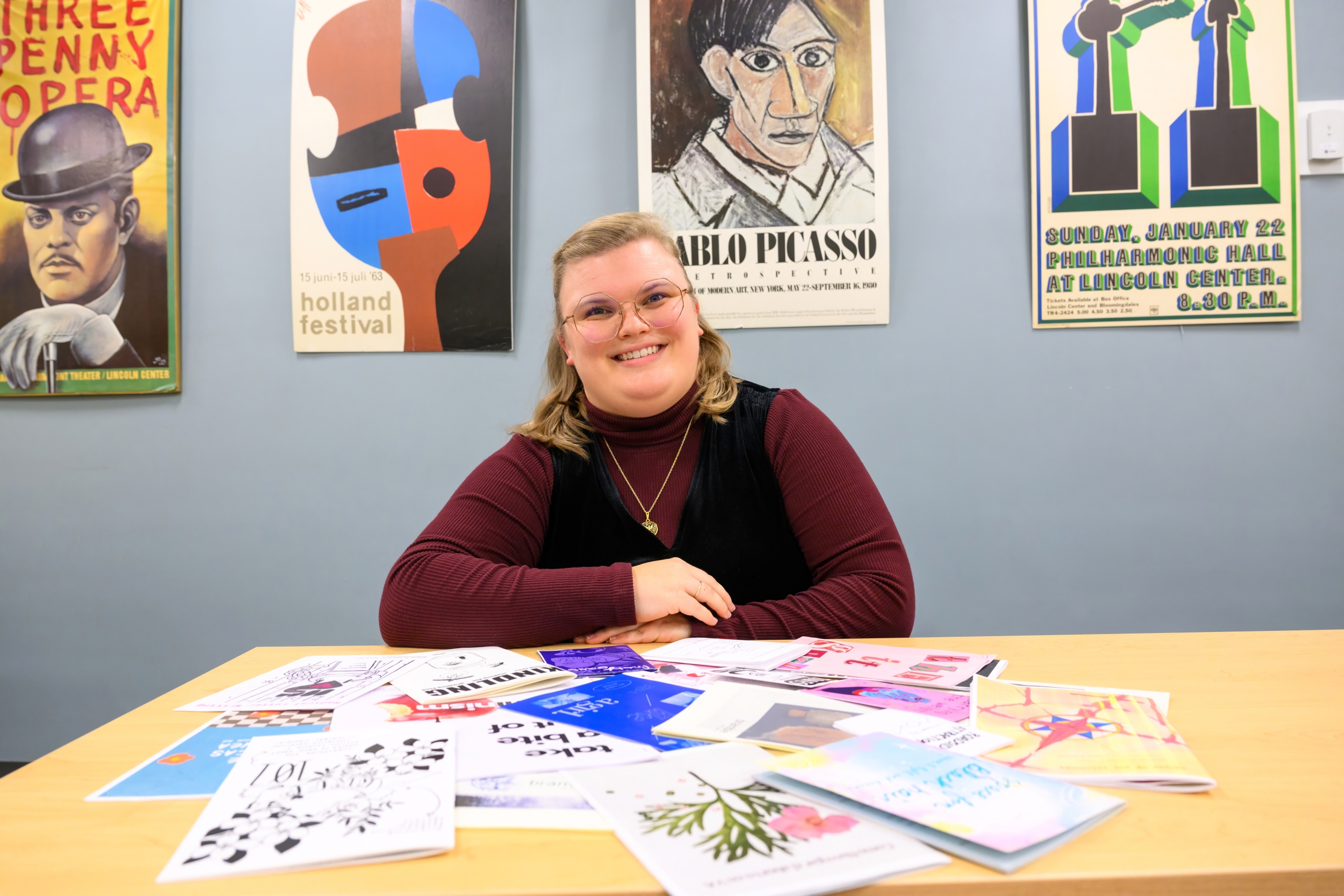
From photographs to rare books and manuscripts to Roman coins, Washington and Lee University’s Special Collections and Archives houses a unique array of items that support a wide range of academic disciplines. One of the latest additions to that roster of resources is a curated collection of print self-expression born in the 20th century: zines.
Zines (short for “magazines” or “fanzines”) are small, self-published booklets or magazines, often created by hand or with simple digital tools. They are made using methods like cutting and pasting, hand drawing or typing text, which is then photocopied or printed; they often have a homemade, collage-like feel. Rising in popularity during the 1980s and 1990s, zines are often shared within specific subcultures or communities to foster connection and dialogue, although, over time, they have expanded to include creators and topics from all walks of life.
Mattie Clear, assistant professor and archivist in Special Collections and Archives, began helping W&L acquire a selection of locally produced zines in 2023. The current collection covers a range of topics, and Clear says she sees the zines as a way to diversify materials available to students and faculty, exposing them to a broader range of perspectives.
“We started collecting zines in 2023 and in just over a year and a half have grown the collection to approximately 70 titles,” says Clear. “Many of these titles are by Virginians, with a number of them being specifically created in Rockbridge and Augusta counties as well as a few that Washington and Lee students created. I’m really proud of our zine collection and the opportunities zines provide for our students.”
Clear conducted more than 20 class sessions in Fall Term 2024 in the Special Collections and Archives classroom, and approximately half of those used materials from the zine collection. The courses covered diverse topics such as natural hazards, the history of medicine, Spanish literature and environmental poetry.
“The fact that these courses are taught within a wide range of departments and were able to use the zines speaks to the versatility of the collection we have curated and continue to expand,” Clear says. “Zines allow us to grow the collection with modern resources that directly tie to the curriculum while also providing students exposure to primary sources.”
Visiting assistant professor of history Leticia Fernández-Fontecha’s Introduction to the History of Medicine course used the zine collection to explore the subject matter through the lens of Western medicine’s interaction with other healing traditions.
“Engaging directly with primary sources allowed students to see the past not as a theoretical concept, but as a tangible, material reality made up of objects and sources they could touch and manipulate,” Fernández-Fontecha says. “Watching students adapt their approach to a modern primary source like the zines was fascinating. It highlighted the tools needed to analyze contemporary materials and underscored how they regularly encounter potential primary sources in their everyday lives — sources that future historians might one day study.”
This article first appeared in the Spring 2025 issue of W&L: The Washington and Lee Magazine. Contact us at magazine@wlu.edu.

You must be logged in to post a comment.